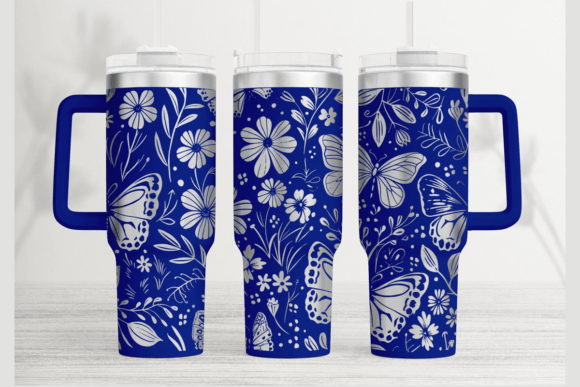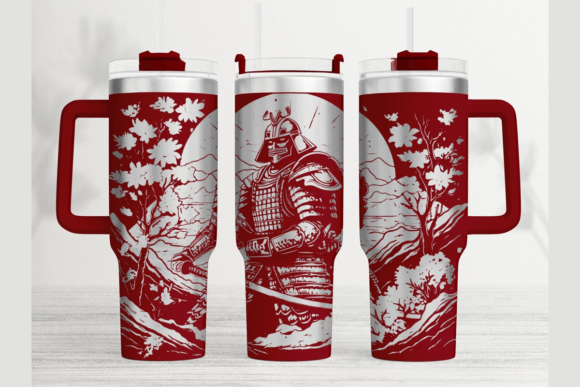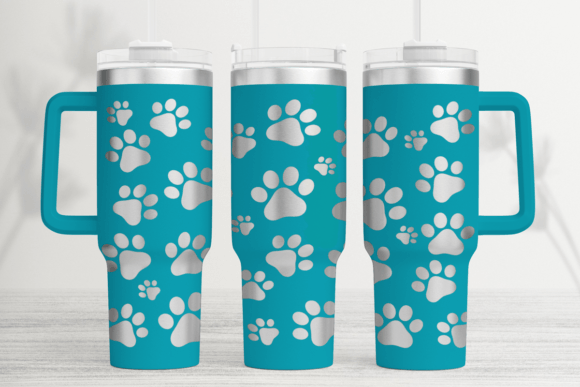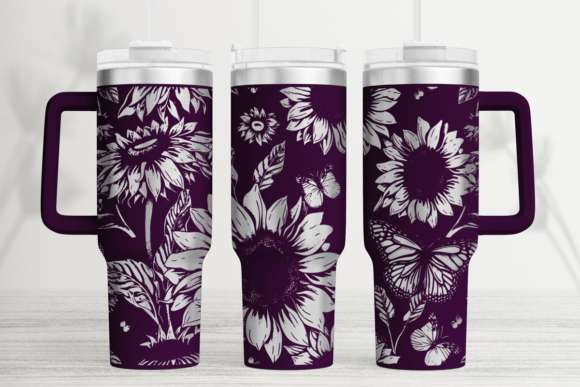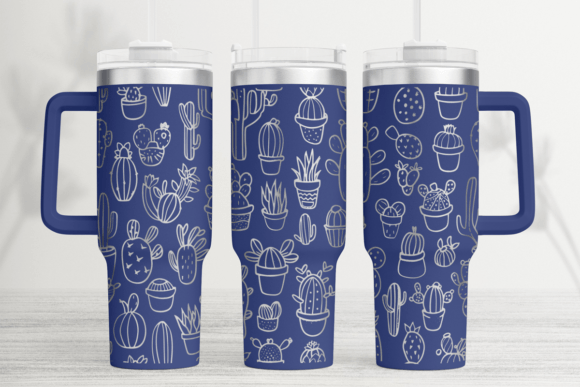
Cactus 40oz Laser Tumbler Wrap SVG
First Impressions: A Clean, Confident Desert Vibe
Opening the Cactus 40oz Laser Tumbler Wrap SVG file, I immediately noticed its confident simplicity — no cluttered borders, no forced whimsy. It’s a single-line cactus motif with subtle organic curves and clean negative space, clearly built for laser engraving but *adapted* (not just resized) to wrap smoothly around a tall tumbler. As an embroidery designer, my first thought wasn’t “pretty” — it was “how will this translate in thread?” The silhouette is bold enough to hold up at 3–4 inches tall on a tote bag or sweatshirt front, yet lean enough to avoid overwhelming baby onesies or tea towels. It carries that quiet, grounded energy desert motifs do so well: relaxed but intentional, playful but not childish.
A Real-World Test: Stitching It on a Linen-Cotton Apron
Last week, I used the Cactus 40oz Laser Tumbler Wrap SVG as the centerpiece for a small-batch linen-cotton apron series for a local café pop-up. I didn’t treat it as a tumbler wrap — I treated it as a *design asset*. I scaled it down to 3.25″ wide, converted it into a machine embroidery design using digitizing software (keeping stitch density moderate), and placed it just above the pocket. The result? Crisp satin-stitched outlines, soft fill-stitch body texture, and zero puckering — thanks to medium-weight cutaway stabilizer and careful tension calibration. Customers responded instantly: “That cactus looks handmade, not printed.” That’s the quiet power of this file — it reads as intentional craft, not mass-produced clip art.
Where It Shines (and Where It Needs Care)
The Cactus 40oz Laser Tumbler Wrap SVG works beautifully for:
- Custom apparel — especially on structured fabrics like denim jackets, canvas tote bags, and midweight sweatshirts where clean lines read clearly;
- Embroidered patches — its minimal detail avoids fraying in satin-stitch borders, and it scales cleanly from 2″ to 5″;
- Baby embroidery — when simplified further (removing fine interior lines), it becomes a gentle, gender-neutral motif for burp cloths or bibs;
- Holiday or wedding gifts — pair it with neutral thread (oatmeal, sage, terracotta) on ivory tea towels or linen pillow covers for warm, understated charm;
- Small shop product branding — use it consistently across embroidered aprons, caps, and kitchen towels to build visual cohesion without shouting.
But be thoughtful about placement and fabric:
- Avoid tight curves like cap fronts unless you reduce size significantly and test hoop clearance — the original wrap layout assumes a flat, vertical surface;
- On stretchy fabric (like jersey tees), stabilize aggressively — the clean lines won’t forgive distortion;
- Thin or loosely woven fabrics (e.g., lightweight cotton voile) need tear-away + topping to prevent thread pull-through on the fill areas;
- Dark fabric demands high-contrast thread — test black or deep green on charcoal; avoid light yellow unless you’re adding white underlay;
- Don’t force tiny lettering into corners — the design wasn’t built for dense text integration, and adding it risks unbalanced stitch density.
What This Design Says About Your Brand (Before a Single Stitch)
Your customers don’t see “SVG file.” They see *intention*. When you use the Cactus 40oz Laser Tumbler Wrap SVG thoughtfully — say, on a hand-stitched embroidered patch sewn onto a recycled-cotton tote — it signals care, consistency, and quiet confidence. It doesn’t scream “trendy,” which means it ages well. I’ve seen Etsy sellers use it across three seasons with only thread-color swaps (mustard → rust → olive) and maintain strong repeat buyer trust. That kind of longevity matters — especially if you’re building a craft business around handmade product integrity.
Practical Designer Notes Before You Stitch
- Always test on scrap fabric first — especially with your exact stabilizer + thread combo. Linen behaves differently than canvas, and polyester thread can melt on cotton blends at high speed.
- Review stitch density — the original SVG has no stitch data, so your digitizing choices directly affect durability. Keep fill stitches open enough for breathability on baby items; tighten them slightly for outdoor tote bags.
- Confirm hoop size compatibility — even scaled-down versions need room for jump stitches and trim commands. Don’t assume it fits a 4×4 hoop without checking bounding box dimensions.
- Inspect small details — zoom in on spines or base texture. If they digitize into fragile running stitches, simplify or convert to satin columns for strength.
- Test in black-and-white mockups — does the shape still read clearly without color? If not, it may lose impact on dark garments or low-res digital previews.
- Use proper stabilizer — cutaway for knits, tear-away for stable wovens, and always match weight to fabric drape.
- Verify licensing — since this is marketed as a digital embroidery file, confirm whether commercial use (i.e., selling finished embroidered products) is permitted before listing on Etsy or at craft fairs.
Final Thought: A Design That Serves, Not Distracts
The Cactus 40oz Laser Tumbler Wrap SVG isn’t flashy — and that’s its strength. In a market saturated with overdesigned graphics, it gives you breathing room to focus on execution: perfect tension, thoughtful thread selection, intentional placement. Whether you’re embroidering a personalized gift for a new plant parent or building cohesive branding for your small shop, this file supports your voice instead of competing with it. It’s the kind of design that makes people pause, smile, and say, “I’d buy that — because it feels *made*, not generated.” And in today’s handmade economy? That’s worth more than any trend.