Positive SVG: A Designer’s Real-World Embroidery Review
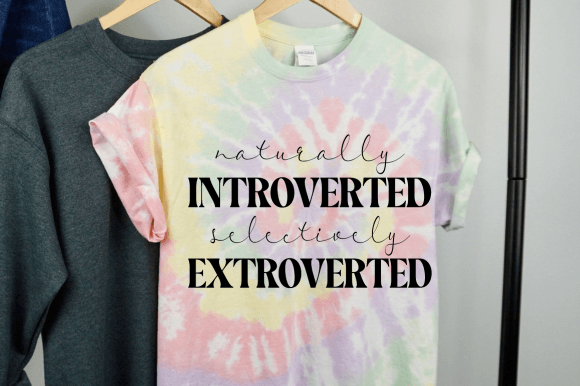
As a designer who’s stitched hundreds of custom pieces—from boutique baby onesies to Etsy best-selling tote bags—I opened Positive SVG expecting something cheerful, clean, and commercially versatile. What I found was a quiet kind of strength: a design that doesn’t shout, but settles in with warmth and intention. Its core phrase—“Naturally Introverted Selectively Extroverted”—isn’t just clever wordplay; it’s a mood anchor. That matters deeply when you’re translating a digital embroidery file into a tactile, finished product people hold, wear, and gift.
First Impressions: Personality Before Pixels
The layout feels balanced—not too tall, not too wide—with generous letter spacing and soft, rounded edges on the typography. There’s no aggressive shadowing or heavy outlines, which is excellent for embroidery. It leans into readability over ornamentation, and that’s smart: this isn’t a design meant for tiny satin-stitch flourishes or dense fill-stitch backgrounds. It’s built for clarity at medium scale—think 3.5" to 4.5" wide on a sweatshirt chest or a linen tea towel.
I immediately pictured it on a heavyweight cotton tote bag for a local mom-and-me yoga studio. Not flashy, but unmistakably *theirs*: grounded, warm, quietly confident. That’s the power of Positive SVG. It doesn’t try to be everything—it owns its space as a thoughtful, human-centered embroidery file for women, teens, and caregivers who value authenticity over noise.
Where It Shines (and Where It Needs Care)
Positive SVG works beautifully on stable, medium-weight fabrics: canvas totes, brushed cotton sweatshirts, linen pillow covers, and structured aprons. On a baby onesie? Yes—but only if you reduce size slightly and use lightweight cutaway stabilizer. The letterforms are clear enough to read at 2.75", but smaller than that, the inner curves of letters like “a” and “o” risk stitching distortion on stretchy or thin knits.
It’s also a natural fit for holiday embroidery—think embroidered kitchen towels gifted at Thanksgiving or minimalist nursery decor for new moms. As a machine embroidery design, it avoids overly tight stitch density, so it won’t pucker delicate fabrics or overwhelm lightweight stabilizers. No dense fill-stitch blocks mean less thread buildup, fewer bobbin jams, and cleaner travel across curved surfaces like caps or curved pillow seams.
But here’s where attention matters: Positive SVG isn’t ideal for high-detail applique design work or layered garments (like reversible jackets). There’s no built-in outline or border, so if you’re stitching on dark fabric, confirm your thread colors offer enough contrast—especially for lighter fonts. And while it reads well on light backgrounds, test it in black-and-white mockups before finalizing a commercial embroidery project. Visual hierarchy shifts dramatically without color cues.
Real Project Test: A Custom Sweatshirt for a Small Shop
Last week, I prepped Positive SVG for a client’s small-batch sweatshirt line—hand-sewn hoodies sold at craft fairs and via Instagram. We used a 4" hoop, medium tear-away stabilizer, and matte polyester thread. The result? Crisp, breathable stitching with zero skipped stitches or thread breaks. Customers commented not just on the message, but on how *clean* it looked—no fuzzy edges, no bleeding, no need for iron-on backing.
That’s the unspoken value of a well-structured embroidery file: it builds trust. When a handmade product looks professionally finished—even when it’s made by one person in a home studio—it signals care, consistency, and competence. Positive SVG supports that. It doesn’t distract from the garment; it elevates it. That’s rare in graphics labeled “funny” or “mom life.” This one earns its place on a boutique shelf.
Design Notes Every Embroiderer Should Check
- Test first: Always run Positive SVG on scrap fabric matching your final project’s weight and stretch—especially for baby embroidery or tumbler wraps.
- Stabilizer strategy: Use cutaway for knits, tear-away for stable wovens. Skip fusible web unless your machine handles it cleanly—this design doesn’t need extra adhesion.
- Thread contrast: Try it in charcoal gray on oatmeal linen and navy thread on cream cotton. See which pairing feels more intentional for your brand.
- Hoop size check: Confirm the design fits comfortably within your standard hoop—no trimming corners or re-hooping mid-stitch.
- Licensing clarity: Since this is a digital embroidery file marketed for craft ideas, verify usage rights before listing finished products on Etsy or selling as part of a subscription box. Some sellers miss this step—and it affects long-term craft business viability.
- Mockup realism: Drop Positive SVG into printable mockups at actual scale. Does it feel balanced on a cap front? Too big on a toddler tee? Adjust early.
Final Thought: Not Just a Graphic—A Quiet Design Choice
Positive SVG isn’t about trend-chasing. It’s about resonance. As a Crafts category graphic, it bridges personal expression and commercial practicality—without compromise. For an Etsy seller launching a “mindful mom” collection, it’s a ready-made anchor piece. For a teen embroidering her own denim jacket? It’s permission to be both soft and strong. For a small shop owner curating holiday embroidery kits? It’s a low-risk, high-heart design asset that sells itself through sincerity.
If you’re evaluating Positive SVG for your next project, ask yourself: does it reflect the voice of your brand—or the person holding your finished product? Because in embroidery, the most effective designs don’t just sit on fabric—they belong there.