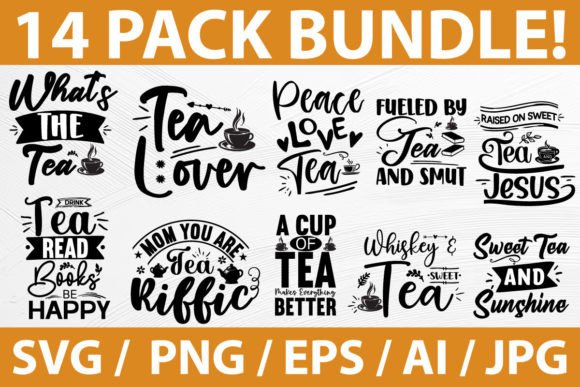
Tea Cup SVG Bundle
A Designer’s First Look: Charm, Clarity, and Craftsmanship
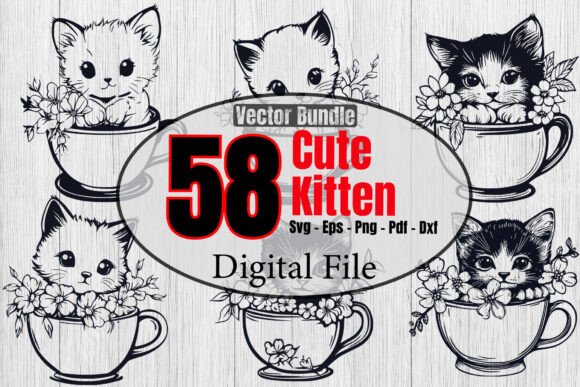
Opening the Tea Cup SVG Bundle feels like unboxing a quiet moment—warm, intentional, and gently nostalgic. The 14 SVG files aren’t cluttered or overdesigned; they lean into simplicity with clean outlines, balanced proportions, and subtle visual rhythm. There’s a softness in the curves of each cup, a quiet confidence in the steam swirls, and thoughtful spacing between elements that suggests real design discipline—not just clipart assembly. As someone who’s stitched hundreds of machine embroidery designs for client apparel, boutique merchandise, and personalized gifts, I immediately sensed this bundle belongs on items where warmth and authenticity matter: a linen tea towel for a local café, a cotton apron for a small-batch baker, or a baby onesie for a handmade nursery collection.
Where It Shines—and Where It Needs Thoughtful Handling
In real embroidery use, the Tea Cup SVG Bundle performs best when matched to its natural strengths. On medium-weight cotton tote bags? Excellent. The shapes hold up beautifully in satin stitch, steam details read clearly at 3–4 inches wide, and the overall motif reads as handmade—not digital. On sweatshirts and crewneck tees? Still strong, especially when paired with light stabilizer and a tight-hoop setup. The line work is generous enough to avoid thread breakage on textured fleece, and the open areas (like inside the cup or around handles) prevent dense fill-stitch pooling.
But—and this matters—it’s not a one-size-fits-all embroidery file. On stretchy fabrics like jersey or thin knits, I’d recommend testing the smallest cup design first: tight curves near the handle base can distort if tension isn’t dialed in. On dark fabric, check how fine the steam lines translate in running stitch—they’re delicate, not bold, so contrast depends heavily on thread choice. And on curved surfaces like caps? Stick to the most simplified cup variations. The layered, detailed versions (with saucers or floral accents) demand flat, stable real estate—think pillow covers or kitchen towels, not structured headwear.
Real Project Test: Embroidering a Boutique Kitchen Towel Set
Last week, I used three designs from the Tea Cup SVG Bundle to create a limited-run set of embroidered linen towels for a local artisan shop. One cup centered on the hem, one tucked into the corner with script-style “Steep & Sip”, and a third scaled down as a subtle repeat along the border. What stood out wasn’t just how cleanly the files stitched—but how the finished product felt cohesive, intentional, and quietly premium. Customers didn’t just see “a tea cup”; they recognized care in the spacing, clarity in the stitch transitions, and consistency across sizes. That kind of perception lifts perceived value, builds trust in your craft business, and makes handmade product feel like a considered gift—not a generic add-on.
What This Means for Your Craft Business
If you’re an Etsy seller, small shop owner, or creative entrepreneur building a recognizable brand, the Tea Cup SVG Bundle supports consistency without sacrificing personality. Its cohesive style means your holiday embroidery collection, baby embroidery line, or café-branded merch stays visually aligned—even across different products. But it also asks for intention: this isn’t a “drop-in-and-stitch” graphic. It rewards attention to detail—thread color pairing, stabilizer selection, and mockup review—because those choices directly impact how professional your finished product looks.
Practical Notes Every Embroidery Designer Should Keep Handy
- Always test on scrap fabric first—especially if stitching on textured or dark materials. A quick run on your intended substrate reveals how steam lines behave and whether inner cup details stay legible.
- Review stitch density before hooping. Some versions include gentle fill-stitch interiors; on lightweight fabrics, reduce density slightly or switch to a lighter underlay.
- Confirm hoop size compatibility. While the SVG files are scalable, intricate corners and thin stems compress poorly below ~2.5 inches—so double-check minimum recommended dimensions before resizing for patches or baby embroidery.
- Inspect small details at actual stitch size. Zoom in on your embroidery software: do the handle curves simplify cleanly? Does the steam taper naturally, or does it turn jagged? These nuances define polish.
- Test black-and-white mockups. How does the design read without color? Strong silhouette = stronger recognition on custom apparel or embroidered patch applications.
- Use proper stabilizer. Medium-cutaway works best for cottons and linens; tear-away suffices for stable woven totes—but skip it for knits or stretchy blends.
- Verify licensing. Since this is a digital embroidery file sold as a Graphics asset for Crafts use, confirm whether commercial embroidery rights are included—especially if you plan to sell finished embroidered items or list derivative digital products.
Final Thought: Not Just a Design—A Design Decision
The Tea Cup SVG Bundle doesn’t shout. It invites. It fits naturally into projects where charm, clarity, and craftsmanship converge—whether you’re stitching a wedding gift, prepping for a craft fair, or building repeatable design assets for your small shop product line. It won’t solve every embroidery challenge (no single design can), but it gives you a reliable, mood-aligned foundation—one that elevates handmade presentation, strengthens brand consistency, and deepens buyer engagement through quiet, confident execution. For embroidery designers and creative entrepreneurs who value substance over flash, it’s a thoughtful addition to your working library—not just another download.